Whole-Home or Essential-Circuit Backup: Start With Your Priorities
The first backup-power decision is what you need to keep running. Equipment selection comes after that list is clear.
An outage changes which parts of a home matter most. Refrigeration, selected lights, communication equipment and certain pumps may become priorities, while other equipment can wait. The right list is personal to the property. Before shopping by generator size or battery capacity, write down the everyday functions you want to preserve.
What essential-circuit backup means
An essential-circuit approach defines a selected group of loads for backup. That can make the operating plan easier to understand, but it still requires proper design. “Essential” is not a standard list supplied by a product brochure. A household's priorities, equipment characteristics and intended use determine what belongs on it.
What to ask about whole-home coverage
“Whole-home” is often used broadly. Ask what it means in the actual proposal: which circuits are connected, which loads may operate simultaneously and whether any equipment is managed or excluded. Do not assume every large appliance can run together simply because the system is described as whole-home backup.
Generator and battery questions are different
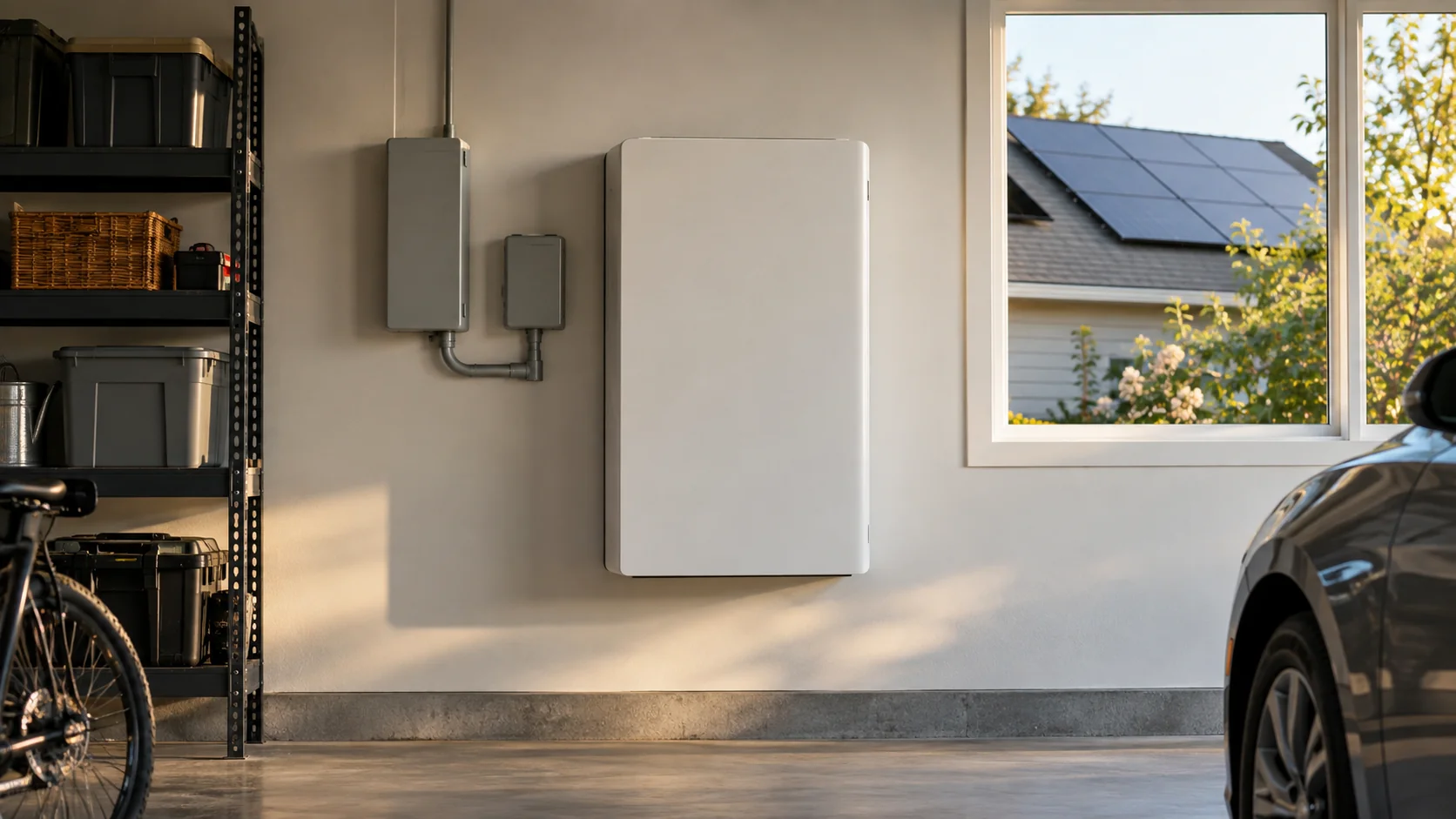
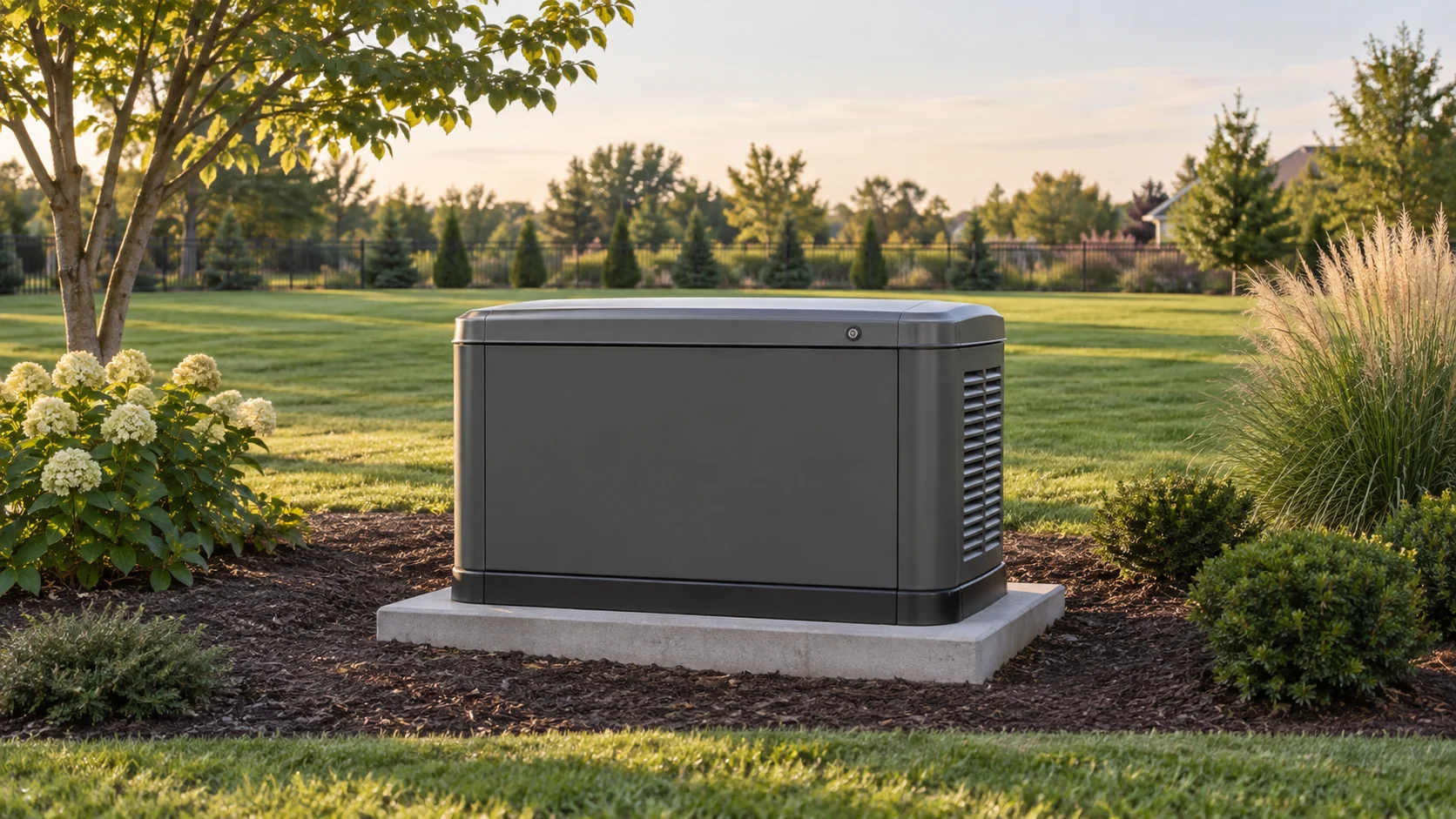
A generator plan involves equipment placement, fuel arrangements, transfer equipment and maintenance. A battery plan involves usable stored energy, supported loads and the conditions under which energy can be replenished. Existing solar does not automatically establish outage operation. Compatibility and the proposed system design need to be reviewed together.
Make the property part of the plan
Share a practical description of the property: the panel location, access around the building, proposed equipment area and any existing energy equipment. The final location must satisfy applicable requirements and manufacturer instructions. A photograph on a website cannot establish the correct placement for your home.
Build a short backup brief
- List the equipment you most want available.
- Identify loads that can wait or operate at different times.
- Explain the duration and type of disruption you want to plan for.
- Note existing solar, batteries or generator equipment.
- Ask who handles fuel work, electrical work, permits and ongoing maintenance.
Where uninterrupted power is medically necessary, obtain a specific continuity plan with the relevant providers; a general residential backup proposal should not be assumed to meet that need.
Keep portable-generator safety separate
Portable generators create carbon monoxide and must never be operated indoors or in a garage. Follow the manufacturer's instructions and the CPSC's carbon-monoxide safety guidance. Do not improvise a connection to home wiring.
Explore generator and backup-power electrical work, or use our clearly hypothetical backup planning example to organize your own priorities.