Why Does the Same Circuit Breaker Keep Tripping?
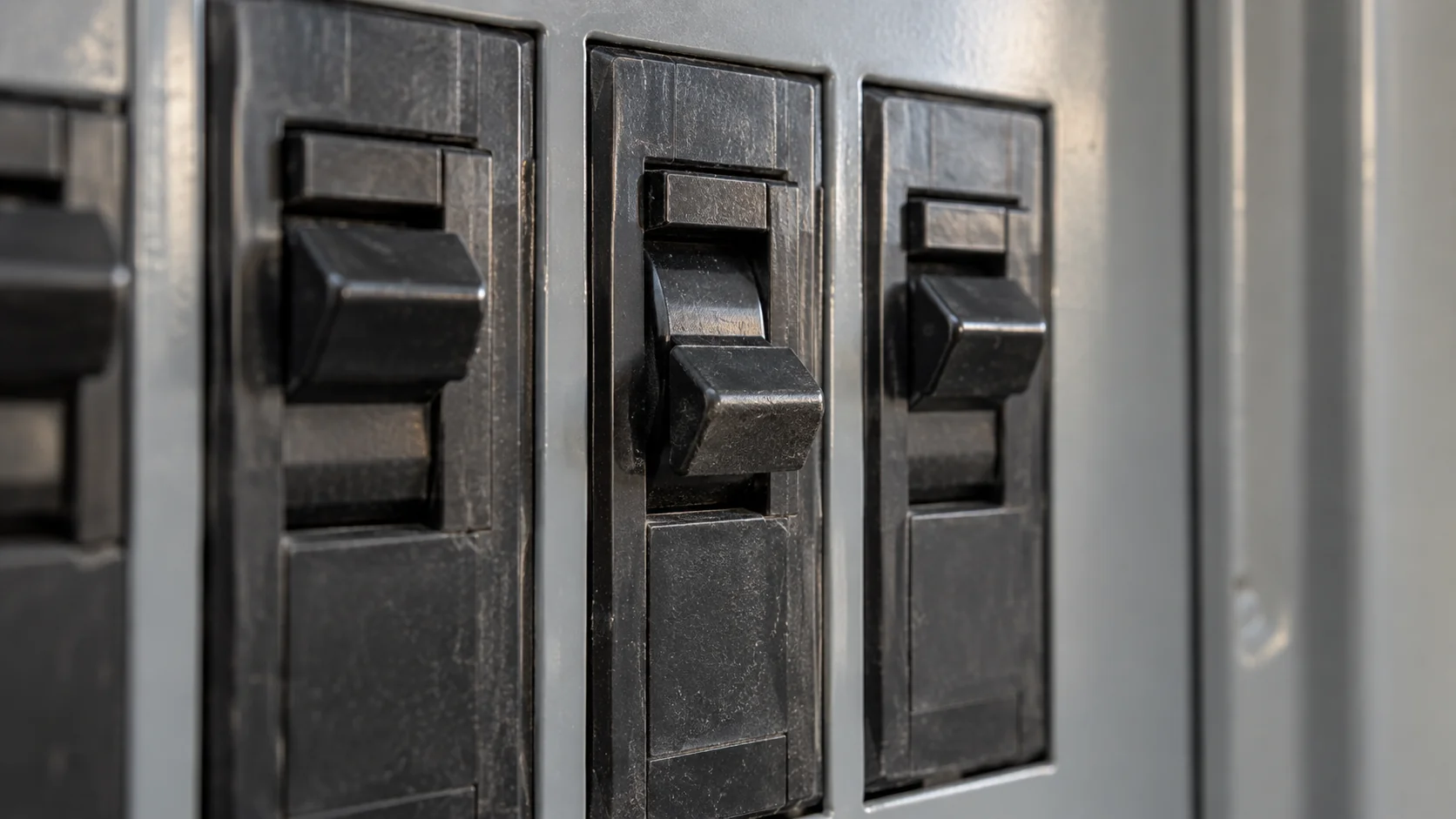
A breaker trip is information about a problem. When it keeps happening, the next step is to investigate the cause.
A circuit might trip when several appliances run together, when one particular device starts or with no obvious pattern. Those observations are useful, but they do not establish a diagnosis. The cause may involve loading, connected equipment, wiring, a protective device or another fault that requires testing.
Do not turn repeated resetting into a routine
Resetting a breaker does not repair the cause of a trip. Do not keep resetting a circuit that trips again, defeat its protection or replace a breaker with a larger one to stop the symptom. Arrange an electrical assessment and avoid using the affected circuit while the problem remains unresolved.
Record the pattern without opening equipment
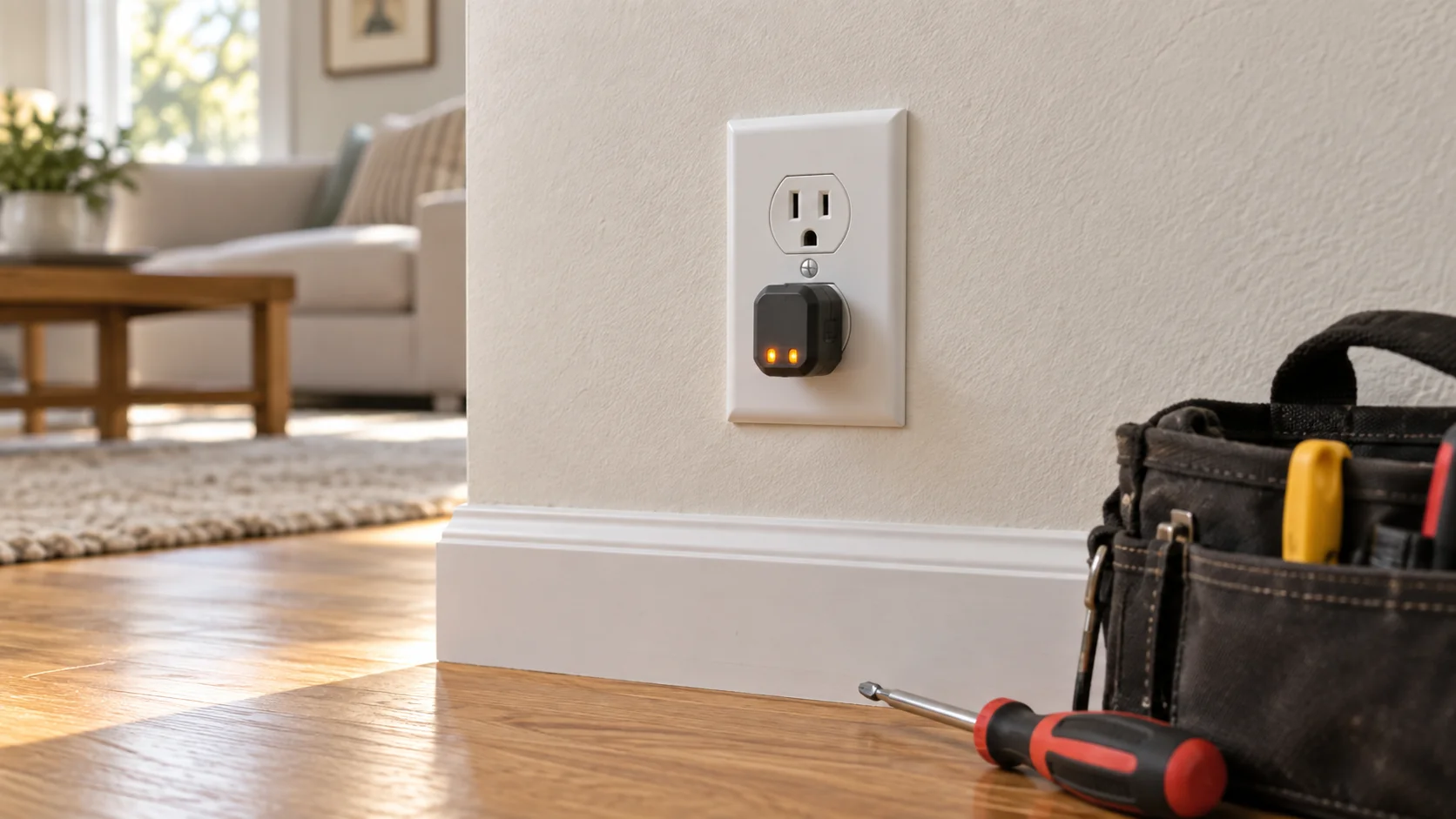
From normal, safe observation, note the affected room, what was running, whether the issue began recently and whether other areas lose power. Describe any recent appliance or renovation changes. You do not need to remove covers, touch damaged equipment or reproduce the fault to make a useful service request.
Pay attention to other warning signs
The Electrical Safety Foundation lists frequent breaker trips, dimming lights, buzzing and discoloration among warning signs that deserve attention. Review its home electrical safety information. If there is smoke, active fire, sparking or an immediate danger, move away and contact emergency services. Stay clear of downed lines and contact the utility and emergency services as appropriate.
A new appliance may reveal an existing limitation
A space's original electrical arrangement may not suit the way it is used today. A home office, kitchen change or workshop can introduce equipment that needs a different circuit plan. That does not prove a service upgrade is necessary. Testing and a review of the intended loads help distinguish a repair from a circuit addition or a larger upgrade.
Explain the symptom in ordinary language
A useful request might say: “The kitchen circuit trips when the countertop appliances run together; it started after we moved one appliance.” Another might say: “One bedroom loses power even when we have not changed anything.” These are examples of how to describe a problem, not diagnoses. Include when it started and what remains affected.
Choose the appropriate next step
For an ongoing issue without an immediate hazard, request electrical troubleshooting. If the condition appears urgent, read our urgent electrical problem guidance; the website form is not an emergency dispatch channel and does not guarantee an immediate response. Once the cause is known, the repair scope can be explained without guessing from the symptom alone.